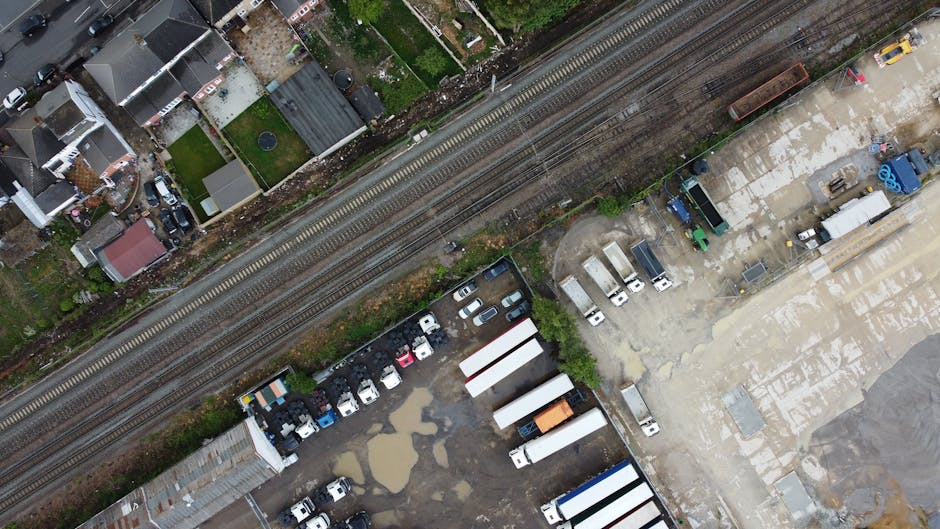
Rubbish removal near Egham station TW20 practical guide
If you are dealing with bags, broken furniture, builders' offcuts, or the sort of clutter that seems to multiply overnight, a rubbish removal near Egham station TW20 practical guide can save you time, stress, and a few awkward trips with the car boot half open. Around Egham station, access can be busy, parking can be tight, and time matters more than people expect. That is exactly why a clear, local approach helps.
This guide explains how rubbish removal works in practice, what to check before you book, how to avoid common mistakes, and when a professional collection makes more sense than trying to shift everything yourself. It is written for real-life situations, not theory. Because let's face it, nobody wants a pile of waste sitting outside longer than it has to.
Whether you are clearing a flat, emptying a garage, dealing with renovation waste, or just trying to get your home back under control, this page gives you the useful bits: what to expect, what to ask, and how to make a tidy decision without overthinking it.
Table of Contents
- Why rubbish removal near Egham station TW20 matters
- How the process works
- Key benefits and practical advantages
- Who this is for and when it makes sense
- Step-by-step guidance
- Expert tips for better results
- Common mistakes to avoid
- Tools, resources and recommendations
- Law, compliance, standards, or best practice
- Options, methods, or comparison table
- Case study or real-world example
- Practical checklist
- Conclusion
- Frequently asked questions
Why Rubbish removal near Egham station TW20 practical guide Matters
Waste removal sounds straightforward until you are standing in front of several bulky items, a full hallway, or a pile of mixed rubbish that will not fit neatly into a bin bag. Around Egham station, the practical challenge is often not the waste itself, but the logistics around it. Short-stay parking, narrow access, shared entrances, and busy roads can turn a simple job into a longer one.
A good rubbish removal plan matters because it reduces disruption. That is especially useful for renters moving out, landlords preparing a property, local businesses clearing stockrooms, or households in the middle of renovation. If you wait too long, waste tends to spread. One bag becomes three, then a broken chair appears, then the old carpet rolls up in the corner. You know how it goes.
It also matters for safety. Loose debris, glass, sharp offcuts, and overloaded bins can create avoidable hazards. A practical collection approach keeps things contained and helps prevent injury during lifting and loading. In our experience, the difference between a stressful clear-out and a smooth one is usually planning, not brute force.
And there is the environmental side too. Responsible rubbish removal is not just about making things disappear. It is about sorting reusable items, recycling where possible, and making sure waste goes to the right place. If you are comparing waste services, it helps to understand the difference between simple collection and more structured clearance options such as waste removal services or room-by-room options like house clearance.
How Rubbish removal near Egham station TW20 practical guide Works
Most rubbish removal jobs follow a similar pattern, even if the details change depending on the size of the load and the type of waste. The process usually starts with a description of what needs removing, then a quote or estimate, then collection, loading, and disposal. Simple enough on paper. The reality is a bit more human.
First, you explain what you have. Good providers will want to know the rough volume, the type of waste, and whether anything is especially heavy, awkward, fragile, or restricted. A mattress is different from a load of builders' rubble. A few office chairs are different from a dismantled wardrobe and shelves. Clear details help avoid surprises later.
Next comes pricing or assessment. Some jobs are priced based on volume, some on item count, and some on a mix of access, labour, and disposal type. If you are comparing quotes, look for clarity around what is included. Does the service cover loading only, or carrying waste from a top-floor flat? Are there extra charges for difficult access? These details matter more than a vague "cheap" label.
Then comes collection day. For a property near Egham station, timing can be important because parking windows may be limited and traffic can build up quickly. If the crew is coming to a flat or commercial unit, it helps to have waste grouped in one place where possible. The less moving around on the day, the smoother things go. A tidy pile by the entrance is a lot easier than a treasure hunt through the loft.
Finally, the waste is sorted for disposal. Reusable items may be separated from recyclable materials, while general rubbish is taken to the appropriate facility. If furniture is part of the load, services such as furniture clearance or furniture disposal can be a better fit than trying to break everything down yourself.
Key Benefits and Practical Advantages
The main benefit is obvious: you get your space back. But the real value goes deeper than a tidy room or a clear driveway. A well-organised rubbish collection near Egham station can reduce stress, save lifting, and stop one small clear-out from eating half your weekend.
- Less physical strain: bulky waste, broken furniture, and awkward bags can be harder to shift than people expect.
- Faster turnaround: a single collection can remove what might otherwise take several trips.
- Cleaner presentation: useful for landlords, sellers, tenants, and businesses preparing a space.
- Better sorting: recycling and responsible disposal are easier when waste is handled properly from the start.
- Reduced hassle: no booking a van, no queueing at the tip, no "where do we put this?" argument at 8 a.m.
There is also a practical advantage for mixed waste. If you are dealing with both general rubbish and specialist items, a professional collection can prevent mistakes such as mixing recyclable material with contaminated waste. For outdoor jobs, a garden clean-up may work best as a dedicated service, especially if branches, soil, and green waste are involved. In that case, garden clearance is often more efficient than trying to treat everything as one general load.
And if you are dealing with a bigger space, separate areas can be handled more efficiently too. A garage full of old boxes is a very different job from a loft packed with seasonal clutter. That is where targeted options like garage clearance and loft clearance can make life much easier.
Who This Is For and When It Makes Sense
This kind of service suits more people than you might think. You do not need a huge renovation project to make rubbish removal worthwhile. Sometimes you just need a practical reset.
Homeowners often use rubbish removal after decluttering, moving house, or replacing furniture. A worn sofa, a stack of packaging, and a few damaged bits of furniture can add up fast.
Renters may need a quick clear-out at the end of a tenancy, especially if items have built up over time. Near a station, that can be especially useful if you are working to a move-out deadline and cannot spare several journeys.
Landlords and letting agents often need waste cleared between tenancies. Speed matters here. So does presentation. A clean property photographs better and is easier to inspect.
Small businesses may need office or stockroom clearing, particularly if old desks, broken fittings, or packaging waste are taking up valuable space. For that, office clearance or business waste removal can be more suitable than piecemeal disposal.
Builders and renovators usually need fast removal of rubble, packaging, timber, plasterboard, and general construction debris. If the job is more trade-focused, builders waste clearance may be the cleaner route.
Sometimes the trigger is not a big event at all. Sometimes it is just that the spare room has become the "put it there for now" room. We have all seen one of those. It starts with a lamp and ends with a mystery box from three years ago.
Step-by-Step Guidance
If you want a smooth collection near Egham station, the easiest approach is to plan it in a few simple stages.
- Sort the waste into broad groups. Separate general rubbish, furniture, green waste, electrical items, and anything sharp or fragile.
- Decide what really needs to go. It sounds basic, but a ten-minute review can stop useful items being thrown out by mistake.
- Measure or estimate the load. You do not need to be exact. A rough idea of volume, number of items, and access helps the quote make sense.
- Check access. Think about stairs, parking, narrow hallways, lift access, or any timed restrictions near the station area.
- Ask what is included. Loading, labour, disposal, recycling, and extra charges should all be clear before collection day.
- Prepare the collection point. If possible, group items together so the team can work efficiently and safely.
- Confirm anything special. Hazardous or restricted items usually need separate handling, so do not leave them until the last minute.
A sensible sequence like this saves time. It also cuts down on the little panics, which, truth be told, are usually what make a clear-out feel harder than it really is. If you are clearing a home rather than a single room, a broader service such as home clearance can be a practical way to keep the job organised.
One useful habit: take a quick photo of the waste before you book. Not for drama, just clarity. It helps when you are trying to explain the size and type of load, especially if there are several mixed items.
Expert Tips for Better Results
The best rubbish removal jobs are rarely the ones with the fanciest planning. They are the ones where a few small decisions are made early. Simple things. Useful things.
Group by category, not by room. If possible, put furniture together, bagged rubbish together, and recyclable material together. That makes loading faster and can reduce sorting time.
Keep pathways clear. This matters more than people realise. A clear route to the exit helps protect walls, doors, and ankles. And yes, ankles do seem to find every chair leg in the room.
Tell the provider about awkward items. Large mirrors, glass tops, and heavy appliances need advance notice. Surprises on the day tend to slow everything down.
Do not mix everything blindly. Mixed waste is common, but some items need separate handling. If in doubt, ask. That one question can prevent a messy load later.
Think about timing. Near Egham station, early collections can be easier if traffic and parking are more manageable. Even half an hour can make a difference.
Choose the right service type. A single sofa does not need the same approach as a full-property clearance. If you are only moving a few items, a smaller load may be enough. If you are clearing an entire property, a full-service option is usually better value.
Keep documents and valuables separate. It sounds obvious, but people do misplace paperwork during clear-outs. Put passports, deeds, keys, and chargers aside before anything is moved.
Common Mistakes to Avoid
A lot of waste removal problems are avoidable. Usually, they come from rushing the job or assuming every load is treated the same way.
- Underestimating volume: what looks like "a few bags" can turn into a much bigger job once stacked together.
- Forgetting access details: stairs, parking restrictions, or narrow entry points can affect time and cost.
- Leaving sorting until the last minute: this leads to confusion, especially when mixed household and renovation waste are involved.
- Not checking restricted items: certain materials may need specialist handling, so do not assume they can go with general rubbish.
- Choosing only on price: the cheapest option is not always the best if it leaves out loading, disposal, or recycling.
- Blocking shared spaces: in flats or managed buildings, waste should not be left where it creates complaints or safety issues.
Another common mistake is trying to clear too much in one go without a plan. That usually leads to fatigue, and once people are tired, they start making odd decisions. Suddenly the old lamp looks "possibly vintage" and the spare chair becomes a future project. Funny how that happens.
Tools, Resources and Recommendations
You do not need specialist equipment for every job, but a few simple tools can make rubbish removal far easier.
- Heavy-duty bags or sacks: useful for loose waste and smaller mixed items.
- Gloves: basic protection is worth having, especially for dust, splinters, or rough edges.
- Mask: helpful for dusty lofts, garages, or old storage spaces.
- Measuring tape: handy when checking whether furniture will fit through a doorway or down stairs.
- Labels or marker pen: useful if you are separating keep, donate, recycle, and remove piles.
- Trolley or sack truck: helpful for heavier items if you are moving waste to a collection point.
As for service recommendations, it helps to look for clear communication, proper insurance, and a sensible approach to recycling and disposal. Pages such as pricing and quotes can give you a better feel for what information you need before booking, while recycling and sustainability is useful if you want to understand how waste should be handled responsibly.
If you are unsure about the condition of a property or whether items need extra care, it can also help to review a provider's insurance and safety approach. That is one of those things people forget until they really need it.
Law, Compliance, Standards, or Best Practice
Waste removal in the UK is not something to treat casually. You do not need to become a legal expert, but you do need to choose a service that handles waste responsibly and follows accepted best practice.
For ordinary domestic rubbish, the key points are practical: waste should be collected safely, transported appropriately, and disposed of through legitimate facilities. If you are a business, you should be even more careful about documentation and duty of care. In plain English, that means you should know where your waste goes and who is handling it.
There are also special considerations for certain items. Electrical waste, old paint, chemicals, sharp materials, and some renovation debris may require separate handling. Do not mix these into general rubbish unless you have been told it is acceptable. When in doubt, ask the provider directly. A sensible company will be clear about what it can and cannot take.
Best practice also includes respect for neighbours and shared spaces. Waste should not be left in hallways, on pavements, or in loading bays if it creates obstruction or risk. Around station-adjacent properties, that matters even more because footfall and vehicle movement tend to be higher. Small courtesy goes a long way.
Finally, look for a provider that is transparent about terms, data use, complaints, and payment. It may sound administrative, but those pages tell you a lot about how a company works. For reference, you can review terms and conditions, privacy policy, and complaints procedure if you want to understand the basics before booking.
Options, Methods, or Comparison Table
Different rubbish removal methods suit different situations. The right choice depends on volume, item type, access, and how quickly you need the space cleared.
| Option | Best for | Strengths | Watch-outs |
|---|---|---|---|
| DIY tip run | Very small loads and simple waste | Can be cheap if you already have transport | Time, lifting, parking, and multiple trips |
| Man and van style collection | General household rubbish or mixed bulky items | Flexible, quick, less lifting for you | Access and load details need to be accurate |
| Room or property clearance | Flats, homes, garages, lofts, or offices | More thorough and organised | Can be more involved than a simple collection |
| Specialist clearance | Builders' waste, furniture, garden waste, office waste | Better handling for specific material types | Needs the right category of service |
If you are only removing a couple of items, a focused collection may be enough. If you are clearing a whole flat after a move, a broader option such as flat clearance may be more efficient. And if the waste includes a lot of furniture from a move or refurbishment, dedicated furniture clearance can save time and reduce lifting.
Case Study or Real-World Example
Here is a realistic example. A small rented flat near Egham station had built up a mix of unwanted items over several months: a broken bedside table, two old dining chairs, several bin bags, a dismantled shelving unit, and a boxed mattress topper that had long since given up any claim to being "temporary storage".
The resident thought it would take all day to clear. In practice, the real bottleneck was not the lifting. It was sorting. Once the items were grouped by type and moved close to the door, the collection itself was quick and uncomplicated. The main lesson was simple: preparation did most of the work.
There was also a small access issue. The building had shared stairs and limited parking close by, so timing the collection carefully made all the difference. Early coordination meant the team could load efficiently without causing a nuisance to neighbours. No drama, no back-and-forth, just a tidy finish.
That is the pattern you see again and again. A job that feels huge becomes manageable once the waste is separated, access is checked, and the right service is chosen. If the property had been larger or more cluttered, the same customer might have been better served by a broader clearance service such as house clearance or a targeted room-by-room approach.
Practical Checklist
Use this simple checklist before booking rubbish removal near Egham station:
- List the items to be removed
- Separate general rubbish from furniture, green waste, and builders' waste
- Check whether any items need special handling
- Estimate how much space the waste takes up
- Note any stairs, narrow access, or parking restrictions
- Decide whether you need partial removal or full clearance
- Keep valuables, documents, and reusable items aside
- Ask what is included in the quote
- Confirm the collection time and any access instructions
- Make sure pathways are clear on the day
Quick expert summary: if you prepare the load well, confirm access clearly, and choose the right type of service, most rubbish removal jobs become far easier than they first appear. The stress tends to live in the unknowns. Remove those, and the job starts to feel normal.
Conclusion
Rubbish removal near Egham station TW20 is really about combining convenience with common sense. The best results come from matching the service to the waste, planning for local access, and making sure disposal is handled properly. If you are clearing a home, flat, garage, loft, garden, or workspace, a little preparation goes a long way.
To be fair, most people do not need perfect organisation. They just need the right help at the right moment, plus a clear idea of what is being removed and where it is going. That alone removes a lot of friction.
If you are comparing options, take a moment to review service details, pricing, and responsible disposal standards before you book. That small pause can save time later, and it usually leads to a better experience overall.
Get a free quote today and see how much you can save.
And if all you need is a fresh start with less clutter underfoot, that is a perfectly good place to begin.
Frequently Asked Questions
What is the best rubbish removal option near Egham station for a small load?
For a small load, a straightforward collection is usually enough. If it is mainly a few bags or one bulky item, ask for a quote based on the actual load rather than assuming you need a full clearance.
How do I know if I need rubbish removal or full house clearance?
If you are only removing selected items, rubbish removal is usually the better fit. If you need most or all contents cleared from a property, house clearance is often more practical and better organised.
Can furniture be collected as part of rubbish removal?
Yes, furniture is commonly collected, but large or awkward pieces should be mentioned in advance. Sofas, wardrobes, tables, and beds may need a specific furniture removal or disposal approach.
What should I do before the collection team arrives?
Sort the waste, keep access routes clear, and move valuables or documents out of the way. If possible, group items near the exit so the collection is faster and less disruptive.
Are there items that cannot go with general rubbish?
Yes. Some items need separate handling, especially hazardous materials, certain electrical waste, or specialist renovation debris. Always ask before mixing anything unusual into the load.
Does rubbish removal near Egham station require parking space?
Often, yes. Parking and access can affect how smoothly the job runs. If the road is busy or access is tight, it is worth explaining that before the collection day.
How can I reduce the cost of rubbish removal?
Sort items in advance, be accurate about the load size, and combine waste into one collection where possible. Clear access also helps keep labour time sensible.
Is garden waste treated differently from household rubbish?
Usually, yes. Green waste, branches, and soil are often handled separately from general rubbish. A dedicated garden clearance service may be more efficient for larger outdoor jobs.
What is the difference between builders' waste clearance and regular rubbish removal?
Builders' waste clearance is designed for renovation and construction debris such as rubble, timber, plasterboard, and packaging. Regular rubbish removal is more suitable for mixed household waste and general clutter.
Should I check insurance before booking a collection service?
Yes, it is wise to check. Proper insurance and safety procedures matter, especially when heavy items, stairs, shared spaces, or awkward access are involved.
How quickly can waste usually be removed near Egham station?
That depends on availability, the size of the load, and access. Small collections can often be arranged fairly quickly, while larger clearances may need more planning.
What if I am unsure how much waste I have?
Take photos, write down the main items, and give the provider a rough estimate. You do not need perfect measurements, just enough detail for an accurate conversation and a realistic quote.
Is it worth clearing a loft or garage separately?
Often, yes. Loft clearance and garage clearance can be more efficient when treated as separate jobs because the access, item types, and loading effort are usually different.
How do I choose a trustworthy rubbish removal provider?
Look for clear pricing, straightforward communication, proper safety information, and a responsible approach to disposal and recycling. If a company answers your questions plainly, that is usually a good sign.