Complaints Procedure for House Clearance Egham
 This Complaints Procedure describes how a client may raise concerns about house clearance services and rubbish removal operations. It sets out the steps we take to acknowledge, investigate and resolve complaints about domestic and commercial clearances carried out in and around the service area. The procedure applies to all aspects of the clearance process including collection, sorting, disposal and invoicing.
The aim of this policy is to ensure that every complaint is treated fairly, consistently and promptly. If you have a concern about an Egham house clearances job, please read this procedure so you understand the stages, expected timescales and potential remedies. Complaints are an important source of information for improving our operational standards.
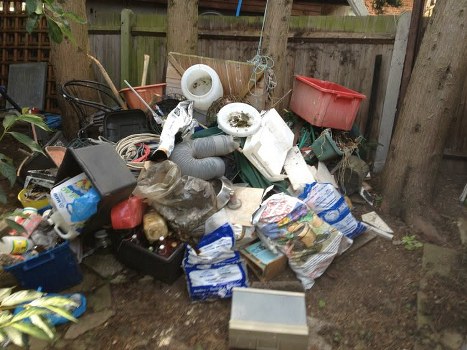 Scope: this procedure covers complaints relating to waste removal, junk collection, removal of bulky items and any associated services provided as part of a house clearance. It does not provide guidance on legal disputes such as ownership of items; those matters may require third-party or legal intervention.
How to Submit a Complaint
Stage 1 — Informal resolution: where possible, raise the issue directly with the crew or the site supervisor at the time of the clearance. Many concerns, such as minor damage, missed items or scheduling misunderstandings, can be resolved on the spot. If the matter cannot be resolved immediately, proceed to the formal complaint route below.
Stage 2 — Formal complaint: make a written complaint describing the incident, date, job reference (if available) and the outcome you seek. A clear statement of facts assists with a timely investigation. The complaint should be based on observable details and, where available, include supporting evidence such as photographs or witness notes.
 Acknowledge & initial assessment: upon receipt of a formal complaint the company will log the matter and provide an acknowledgement. The acknowledgement will include an expected timetable for a full response and the name of the person responsible for handling the investigation.
Investigation and Response
Investigation: the appointed investigator will review job records, speak to crew members and, if necessary, visit the site. The investigation aims to establish the facts, assess compliance with operational procedures and identify any failures or mitigations. Investigations will be carried out impartially and documented.
Decision: following the investigation the company will decide on an appropriate remedy, which may include remedial works, financial adjustment, or a formal apology. Remedies will be proportionate to the actual loss or inconvenience and consistent with consumer protection principles for rubbish removal Egham and related services.
Timescales: the company will normally issue a substantive response within 15 working days of acknowledging the complaint. If a longer investigation is required, the complainant will be notified with an explanation of the delay and an updated timescale.
Recording: all complaints and the outcomes will be recorded in a central register to allow trend analysis and continuous improvement of our waste clearance operations. Records will note the nature of the complaint, findings, remedy offered, and whether the complainant accepted the outcome.
Escalation: if the complainant is dissatisfied with the outcome they may request an internal review. The review will be conducted by a senior manager not involved in the original investigation. Reviews are designed to ensure consistency, fairness and that no procedural error occurred during the initial handling.
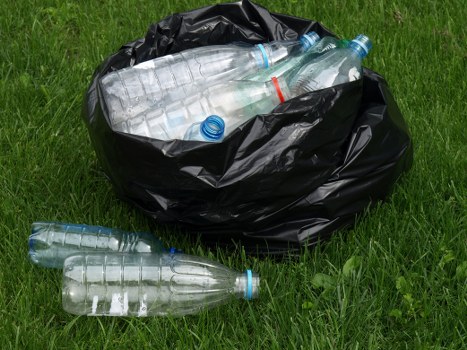 Confidentiality: complaint records are treated as confidential and are accessed only by staff who need to handle or review the matter. Personal data will be processed in accordance with applicable data protection standards; the retention period for complaint records is balanced against statutory obligations and the need for operational learning.
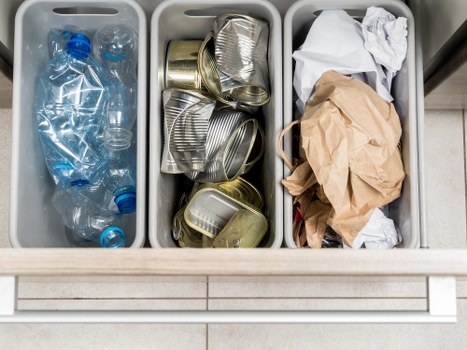 Independent resolution: if, after internal review, the complainant still remains dissatisfied, they may be advised about the availability of independent dispute resolution or regulatory bodies that handle waste services and consumer matters. Options will depend on the nature of the complaint and the relevant jurisdiction.
Remedies and limits: remedies will be limited to losses that are reasonably foreseeable and directly caused by the actions or omissions of the clearance provider. The company does not accept liability for pre-existing conditions, latent defects in property or disputes over item ownership that are outside the scope of the clearance agreement.
Continuous improvement: all substantiated complaints will inform staff training, operational checks and procedural updates for future house clearance work. A formal review of complaint trends will be conducted periodically to improve service quality for the broader service area.
What you can expect from us: a courteous and structured approach, transparent timelines and an outcome that is fair and documented. We aim to ensure that every client understands the process and is kept informed at each stage.
Summary of steps:
- Raise the concern informally at the site where possible;
- Submit a formal, written complaint for matters not resolved on site;
- Await acknowledgement and an investigation with a substantive reply within the stated timescale;
- Request a senior review if the outcome is unsatisfactory;
- Consider independent options if the matter remains unresolved.
Note: this complaints procedure is a formal policy document designed to govern disputes arising from house clearance and waste collection services. It is intended to be fair, accessible and consistent with good industry practice for clearance companies operating in the area.
Legal rights: nothing in this policy is intended to affect statutory rights. Where legal remedies are appropriate, the parties retain the right to seek resolution through the courts or through alternative dispute resolution mechanisms.
Review and amendment: this document may be reviewed periodically to reflect changes in regulation, service delivery or operational standards. The version in effect at the time of the complaint will be used to determine the applicable procedure.
End of complaints procedure.
